Environmental Engineering
Minor
Minor
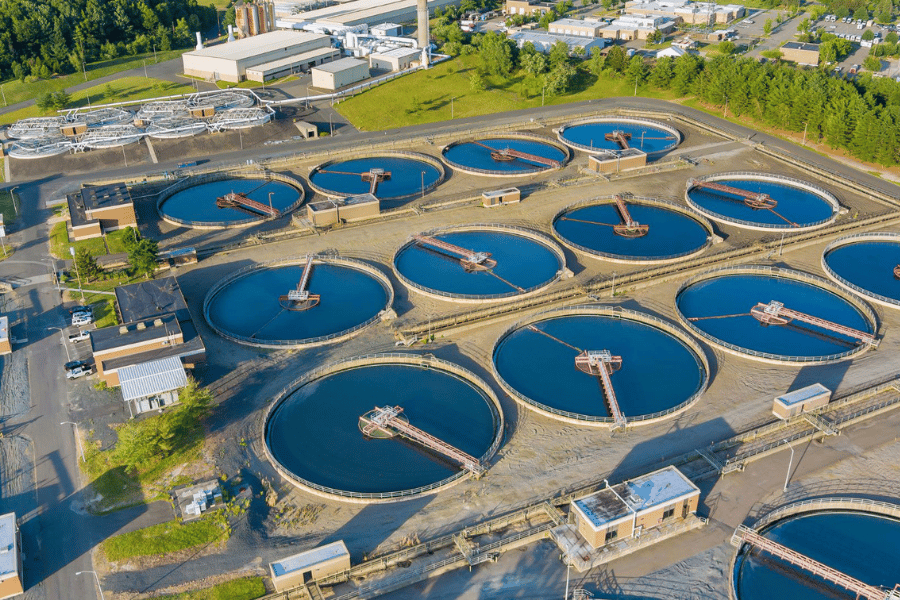
Environmental engineering is about solving the problems that happen when human systems and the natural world collide—from keeping drinking water safe to cleaning up water and air streams before they return to the environment.
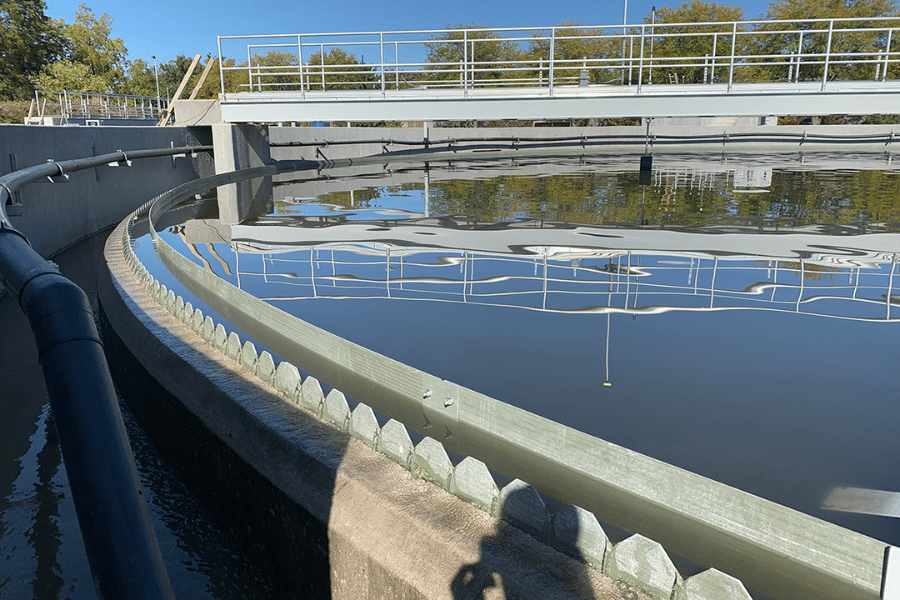
At St. Thomas, you’ll build practical skills in areas such as environmental policy, water and wastewater treatment, systems thinking, and site remediation while learning how engineers turn scientific data into workable solutions. Through hands-on projects and applied learning, you’ll practice analyzing environmental problems, evaluating possible solutions, and designing systems that protect both people and the environment.
You'll take foundational courses in your declared major plus additional courses specific to the Environmental Engineering Minor program.
These four courses are required in the Environmental Engineering minor program:
All students pursuing the environmental engineering minor also choose elective courses that fit their specific interests and career goals. You'll choose a minimum of four credits from this list of electives:
As an engineering major, you’ll complete the Senior Design Clinic capstone during your senior year. Students completing the Environmental Engineering minor receive priority when selecting environmental engineering Senior Design Clinic projects, when available.
In addition to the scholarships and financial aid offered through the university, alternative sources, and other federal and state programs, the College of Engineering offers several scholarship opportunities for undergraduate students studying or planning on studying engineering.
A $12,500 Engineering Board of Governors Scholarship is competitively awarded to an entering first-time, first-year student planning to major in engineering. Applicants must complete a special scholarship application and an application for admission by the deadline. This award is renewable for three more years for a total of $50,000.
Admitted engineering transfer students are automatically considered for privately funded Summit Engineering Scholarships with annual awards up to $10,000.
Over 50 scholarships valued between $250 and $4,000 are made available for outstanding returning engineering students each academic year.
St. Thomas faculty bring academic and real-world expertise in environmental engineering, water resources and environmental problem-solving to the minor.

Assistant Professor and Program Director, Environmental Engineering
Dr. Ling spent a decade as an environmental engineering consultant, serving water treatment plants and industry sites around the Twin Cities. She brings case studies and lessons learned from her work experience to teaching environmental and water resources engineering courses at St. Thomas, encouraging students to think big-picture about project impacts. Her current research with students focuses on understanding cost and environmental impacts of advanced water and wastewater treatment to help inform policy and decision-making.

Instructor
Andy McCabe is a practicing environmental engineer and adjunct faculty member whose professional work focuses on water and wastewater treatment, including interests in sustainability, nutrients and inorganic contaminants, and emerging organic contaminants. His approach to teaching emphasizes building a strong conceptual foundation while meeting students where they are and helping them develop the confidence to think creatively and tackle unfamiliar challenges. He enjoys connecting fundamental science and engineering principles to real-world environmental challenges and the work of practicing engineers.
This minor is intended for students majoring in civil engineering, mechanical engineering, environmental science, or earth sciences but is open to other students as well.
You will take foundational courses in your declared major plus additional courses specific to the Environmental Engineering Minor program.
Required Courses for the Minor in Environmental Engineering (12 credits):
And Elective Courses (choose a minimum of four additional credits from the following list):
Your faculty advisor will personalize a Plan of Study with you based on your goals. View the Undergraduate Catalog to learn more about the Minor in Environmental Engineering.
Sample Plans of Study include:
Minor in Environmental Engineering
There is more to learn about St. Thomas, including our ranking as a Best Value School by U.S. News & World Report, the many classroom and extracurricular activities that will be part of your student experience and so much more.