Biomedical Engineering
Minor
Minor
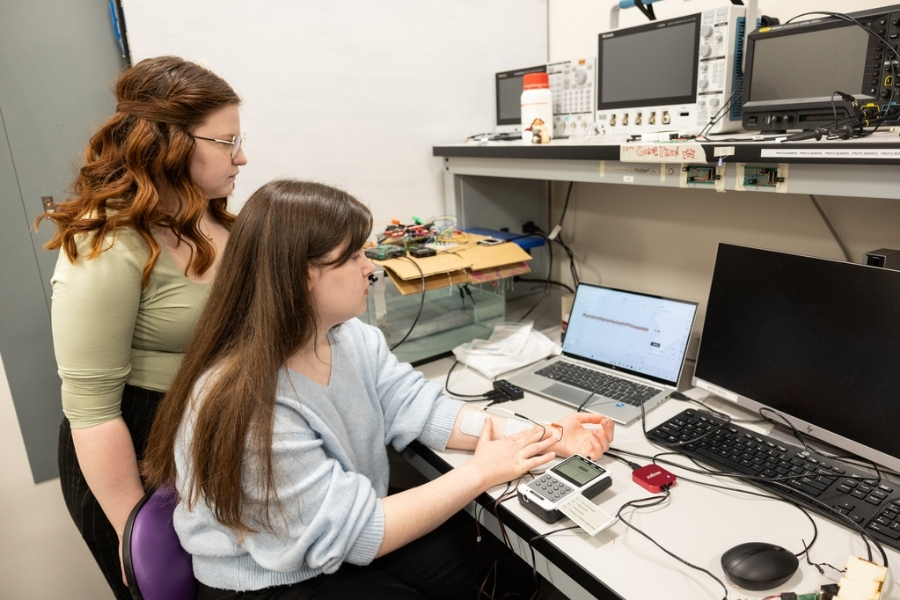
The St. Thomas Biomedical Engineering Minor is a great choice for science and engineering students who want to work in the field of medical device design and manufacturing or related industries. You’ll explore how engineers design and test medical devices, gain a basic understanding of FDA requirements for bringing them to market, and learn how to make sure a device works safely, reliably and consistently.
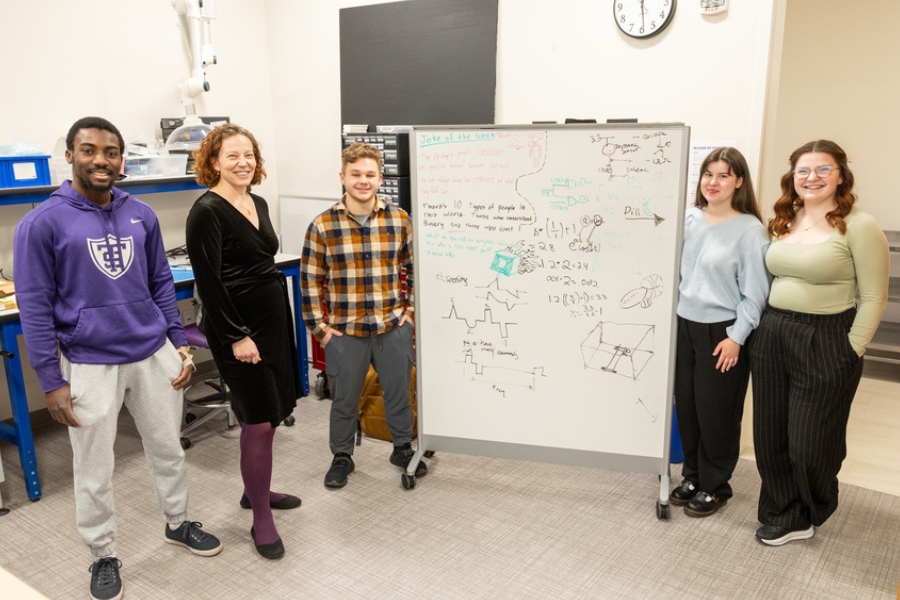
You'll build on coursework in your major with biomedical engineering courses focused on medical devices, manufacturing and human biology or physiology, plus electives that align with your interests.
All students complete coursework in:
You'll also complete an engineering emphasis based on your major:
All students pursuing the biomedical engineering minor also choose elective courses that fit their specific interests and career goals. You'll choose a minimum of four credits from a list of electives.
Here is just a small sample of the elective courses available in this minor:
We give you the tools and knowledge you need to work in a variety of different industries after graduation, including:
In addition to the scholarships and financial aid offered through the university, alternative sources, and other federal and state programs, the College of Engineering offers several scholarship opportunities for undergraduate students studying or planning on studying engineering.
A $12,500 Engineering Board of Governors Scholarship is competitively awarded to an entering first-time, first-year student planning to major in engineering. Applicants must complete a special scholarship application and an application for admission by the deadline. This award is renewable for three more years for a total of $50,000.
Admitted engineering transfer students are automatically considered for privately funded Summit Engineering Scholarships with annual awards up to $10,000.
Over 50 scholarships valued between $250 and $4,000 are made available for outstanding returning engineering students each academic year.
Biomedical engineering faculty bring academic and industry experience in medical devices, biomaterials and healthcare technology to the minor.
Assistant Professor
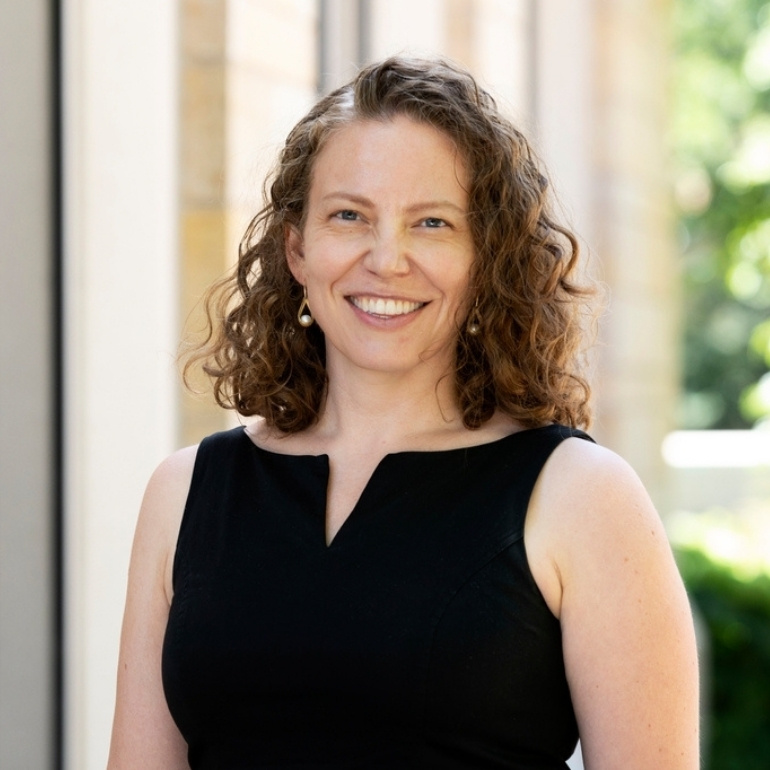
Prior to joining St. Thomas as faculty, Dr. Orser worked at IBM, Medtronic, and most recently at Inspire Medical Systems developing next generation sleep apnea treatments. Some of her work in industry includes development of MRI conditionally safe neuromodulation systems used to treat pain, Parkinson’s disease, and other nerve conditions at Medtronic; and the development of a research tool to understand how to improve memory in those suffering from impairment due to traumatic brain injury. Dr. Orser is excited about the opportunities to advance human health through the application of engineering and has collaborated with St. Thomas students to design systems targeted at exploring the brain and to assess systems that treat human diseases.
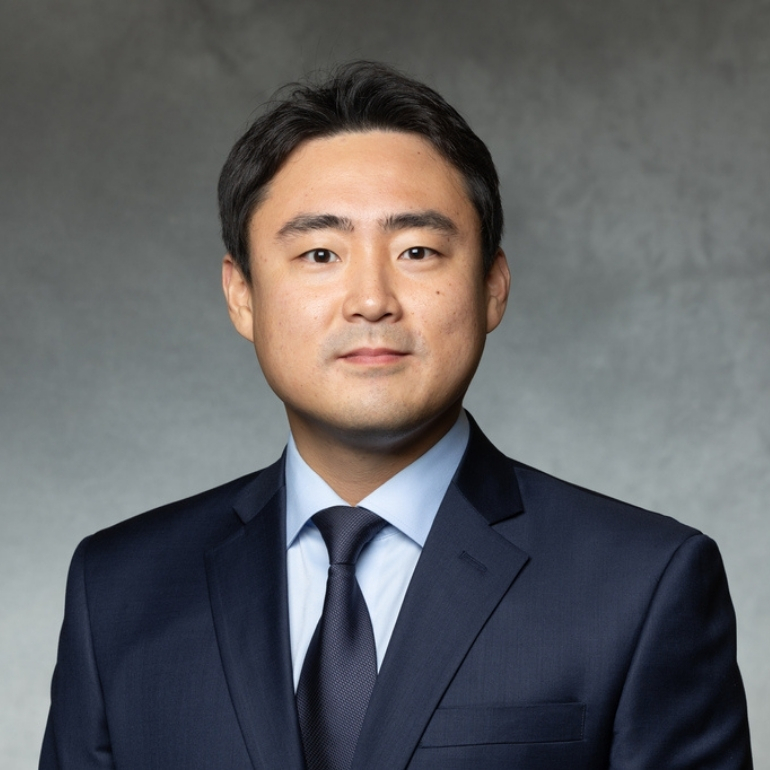
Assistant Professor and Biomedical Engineering Minor Advisor
Dr. JiYong Lee brings translational real-world expertise in biomedical device development through his work on multiple U.S., Korean, and international patents. His innovations include a microneedle surgical mesh licensed to CGBio for preventing post-surgical complications and implantable microneedle systems for drug delivery and physiological sensing. He actively involves students in practical research, including projects on 3D-printed biodegradable pressure sensors, conductive silk fibroin bioinks, and custom microneedle-based medical devices. Dr. Lee is passionate about mentoring St. Thomas students to turn engineering ideas into impactful healthcare solutions through hands-on experience and interdisciplinary collaboration.
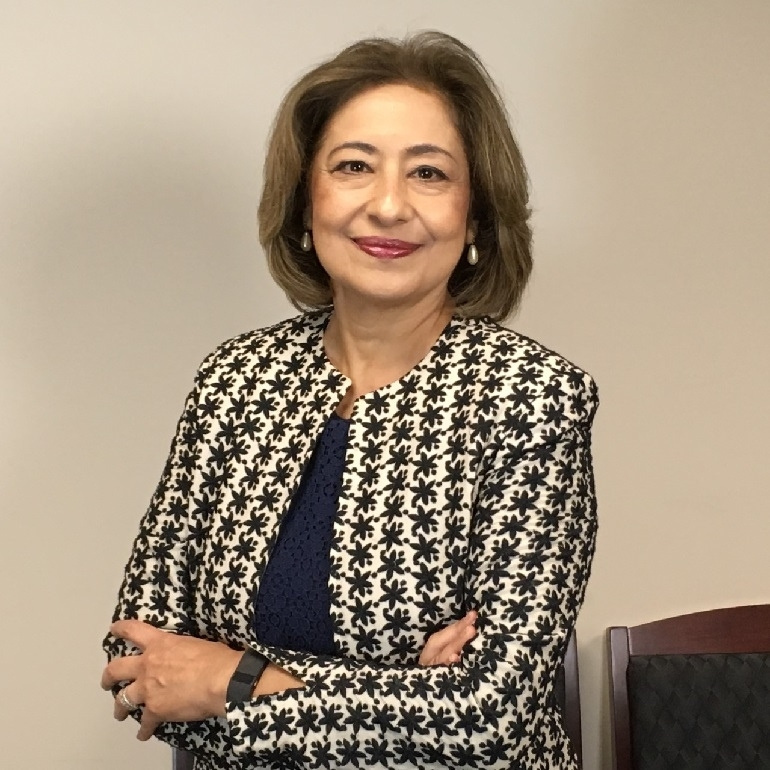
Medical Device Development Instructor
Prior to joining the College of Engineering, Ms. Kasumzade had more than 10 years of industry experience at Medtronic working in biomaterials and the development of medical devices. She worked on developing and testing batteries, capacitors and other critical components for implantable devices. Ms. Kasumzade participated in multiple state-of-the-art product launches, including Micra—the world's first leadless pacemaker and MRI compatible devices. Farida and her St. Thomas Engineering Senior Design students are currently working on designing an educational tool for an Abbott Tendyne heart replacement medical device.
Required: 3 courses (8 credits)
Required: Choose 4 credits of these courses:
And, 4 additional credits from the courses listed below:
Note: students are encouraged to take PHIL 254 Biomedical Ethics as part of the "Theology and Philosophy" core requirement. The prerequisite is PHIL 110, and this fulfills the 2nd PHIL or THEO requirement.
Your faculty adviser will personalize a four-year or fifth-year plan with you based on your goals. View the Undergraduate Catalog to learn more about the Minor in Biomedical Engineering.
View sample Plans of Study:
Minor in Biomedical Engineering
Related Majors
There is more to learn about St. Thomas, including our ranking as a Best Value School by U.S. News & World Report, the many classroom and extracurricular activities that will be part of your student experience and so much more.