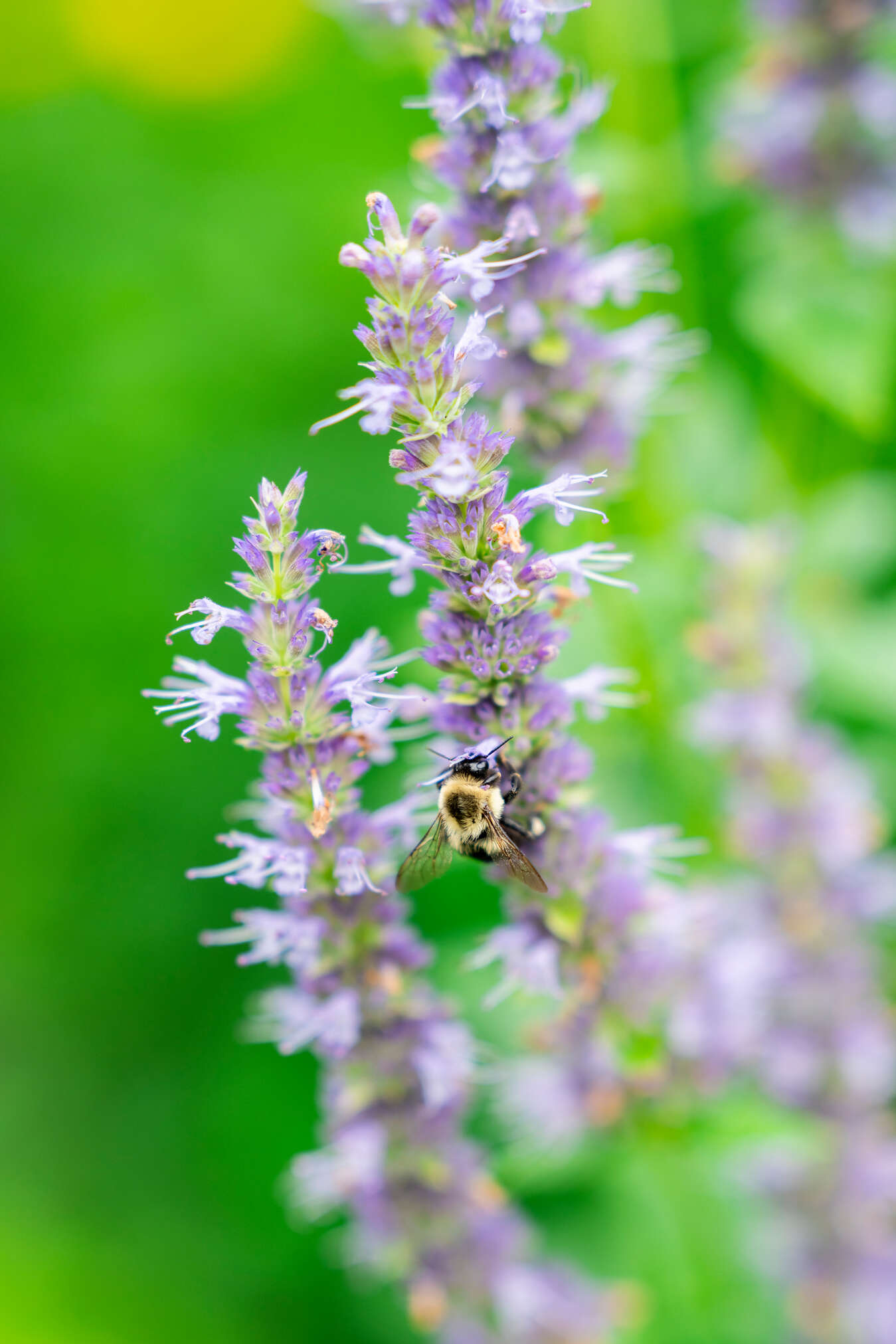
purple flowers with bee landing on flower

Pollinator Corridor Project

About the Project

The Pollinator Corridor Project is a collaborative initiative between the University of St. Thomas and Macalester College. The primary goal of the project is to create a habitat corridor to support pollinators that connects Macalester and St. Thomas pollinator habitats through neighborhood pollinator plantings. The Pollinator Corridor Project also seeks to build community relationships and develop interdisciplinary, hands-on learning and research experiences for St. Thomas and Macalester students.

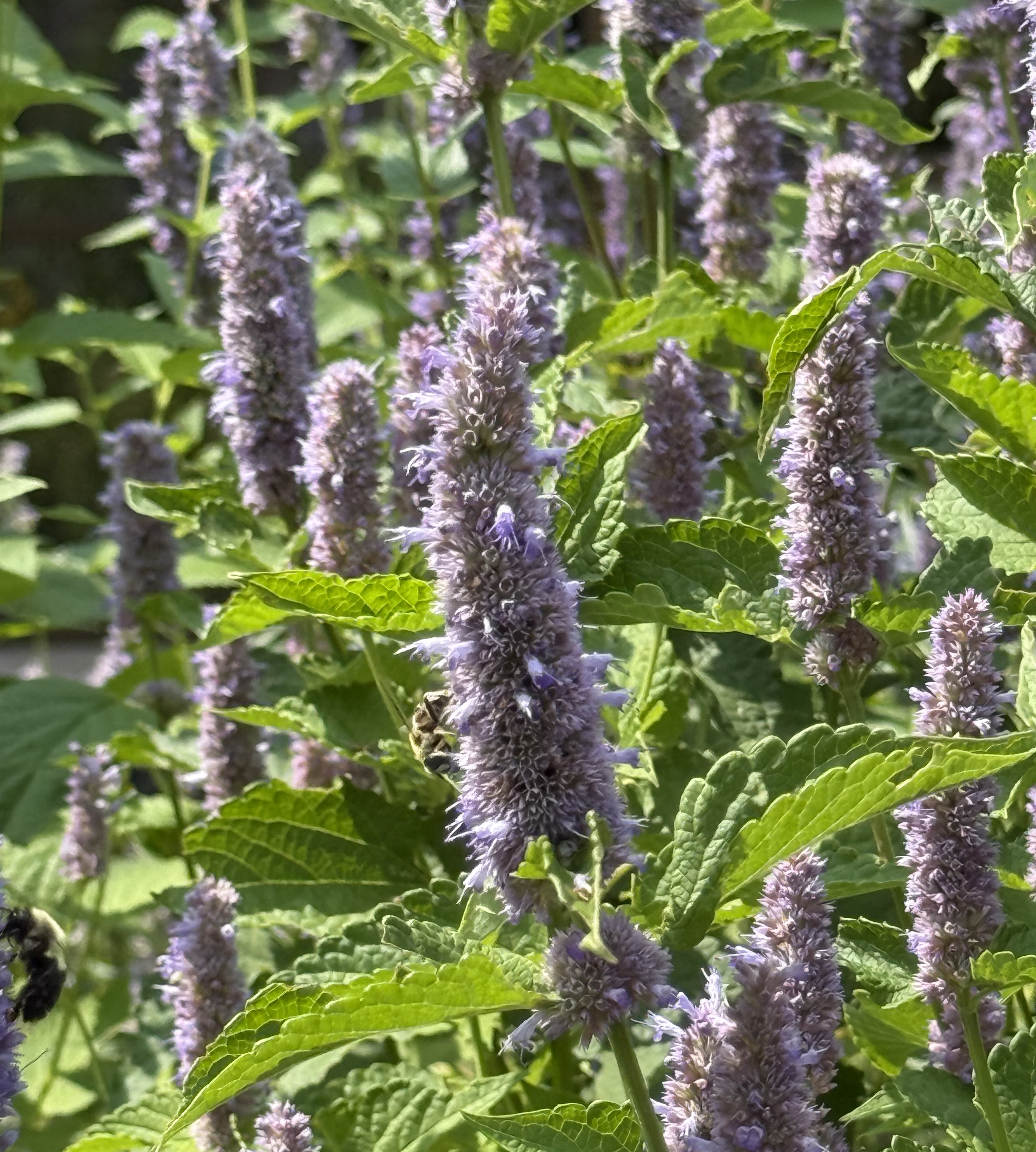
bee on hyssop

How to be a stop on the Pollinator Corridor

Join us in connecting pollinator habitats between St. Thomas and Macalester by being a stop on the Pollinator Corridor! You are eligible to be a stop on the Pollinator Corridor if you:

  • Live on Lincoln Ave, Goodrich Ave, or the streets that connect them between Mississippi River Boulevard and the west end of Macalester College. View a map of the Pollinator Corridor area.
  • Have a site to plant pollinator plants in your front yard or alley that receives 6 or more hours of direct sunlight.
  • Are able to plant 6 free plants provided to you in May 2027.
  • Are willing to have college students visit these plants periodically between July and October each year to count the number of pollinators foraging on them.
Sign up to be a stop on the Pollinator Corridor

Pollinator Plants

In late May 2027, Pollinator Corridor participants will receive seedlings of anise hyssop, wild bergamot, and New England aster. These plants have been selected because of their value as a nectar source for pollinators from July through October. Participants will receive two of each plant for a total of six individual seedlings. They will come in 2.5” pots so will be easy to plant.

Anise Hyssop

Anise Hyssop

Anise hyssop, Agastache foeniculum, is a knock-out bloomer with spikes of purple flowers that bloom from late June through fall. They grow about 3-4’ tall and attract loads of bees who forage for nectar. Allow the seed heads to stay up in winter to feed goldfinches and other birds. Prefers full sun but will perform well in part shade.
Wild Bergamot

Wild Bergamot

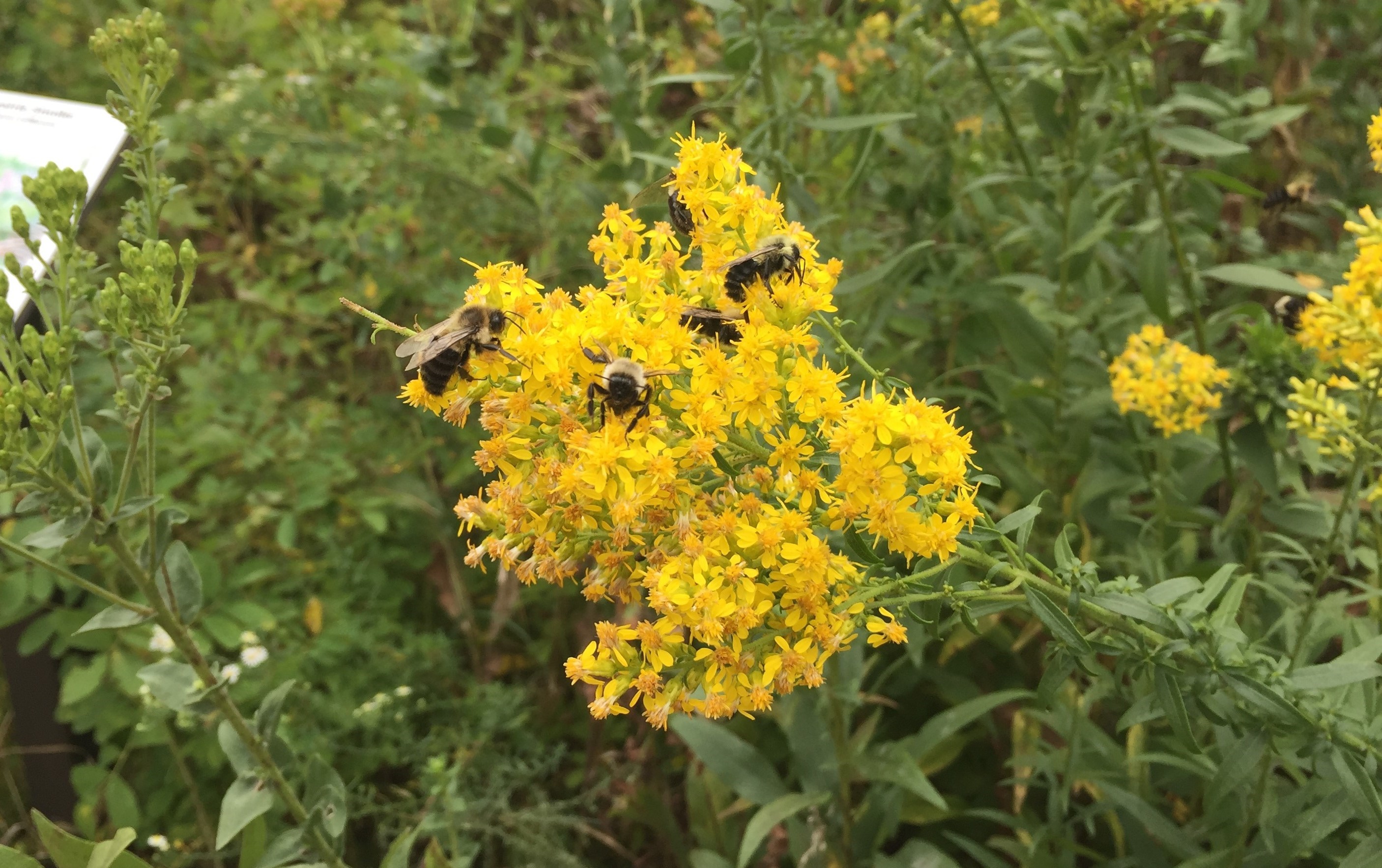
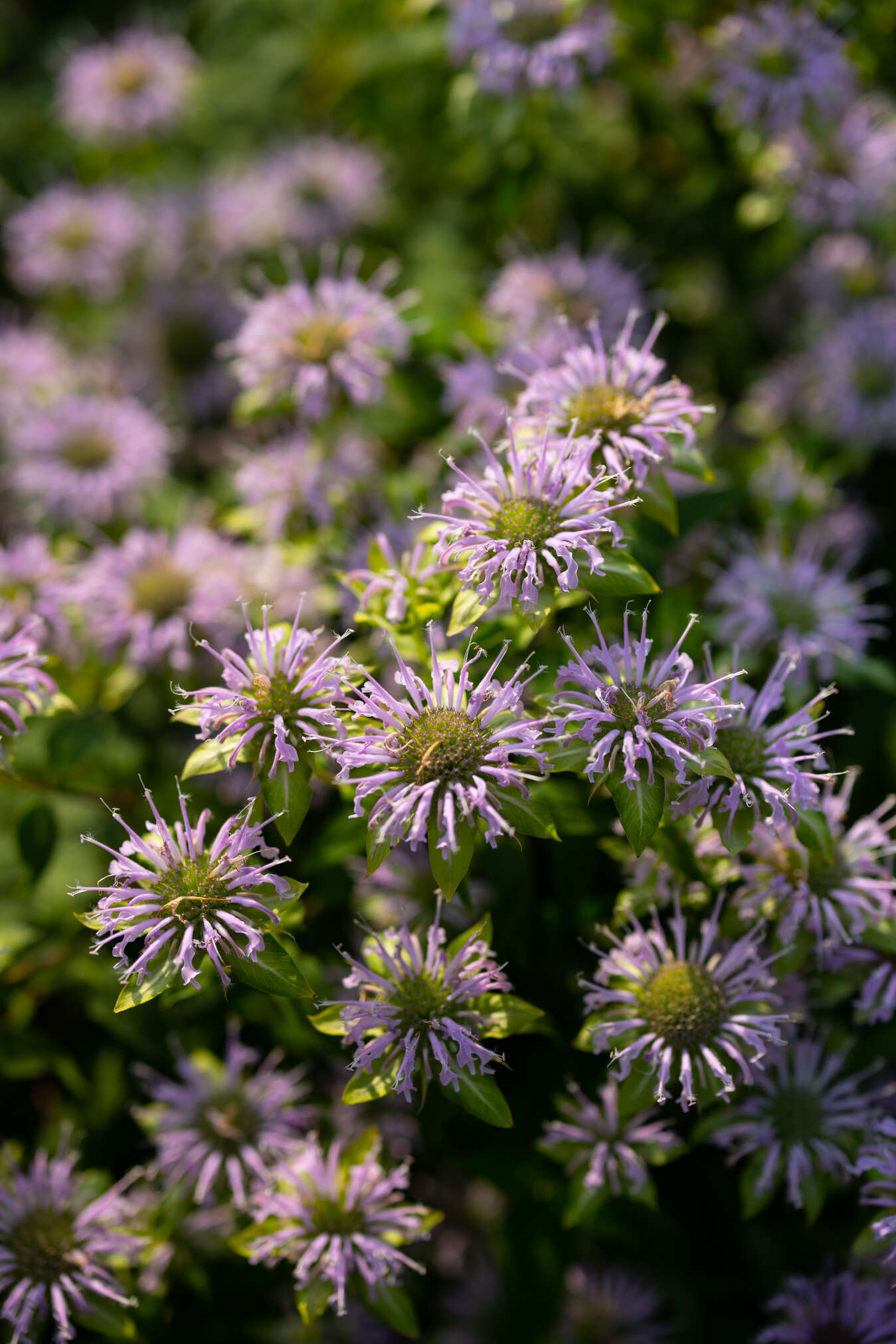
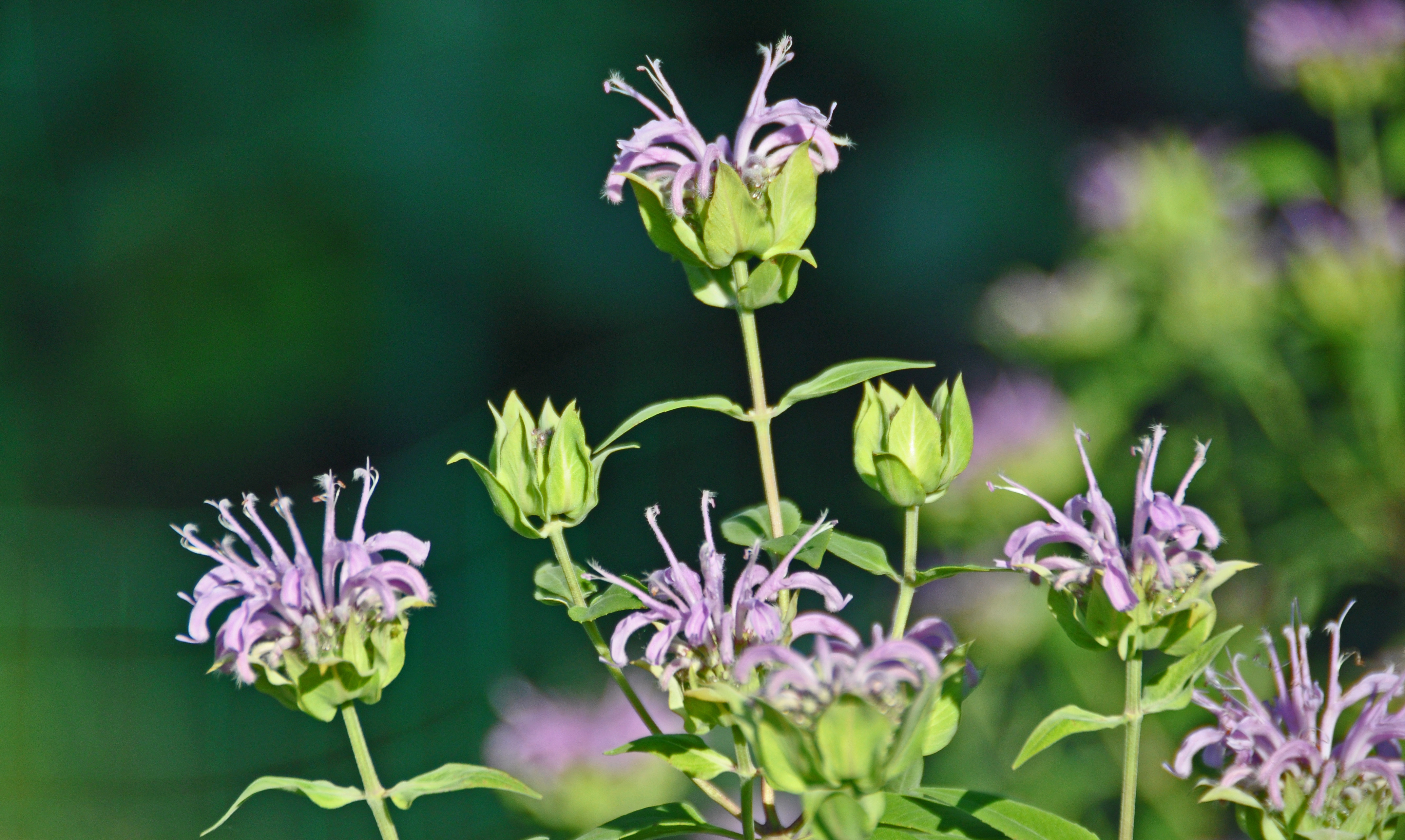
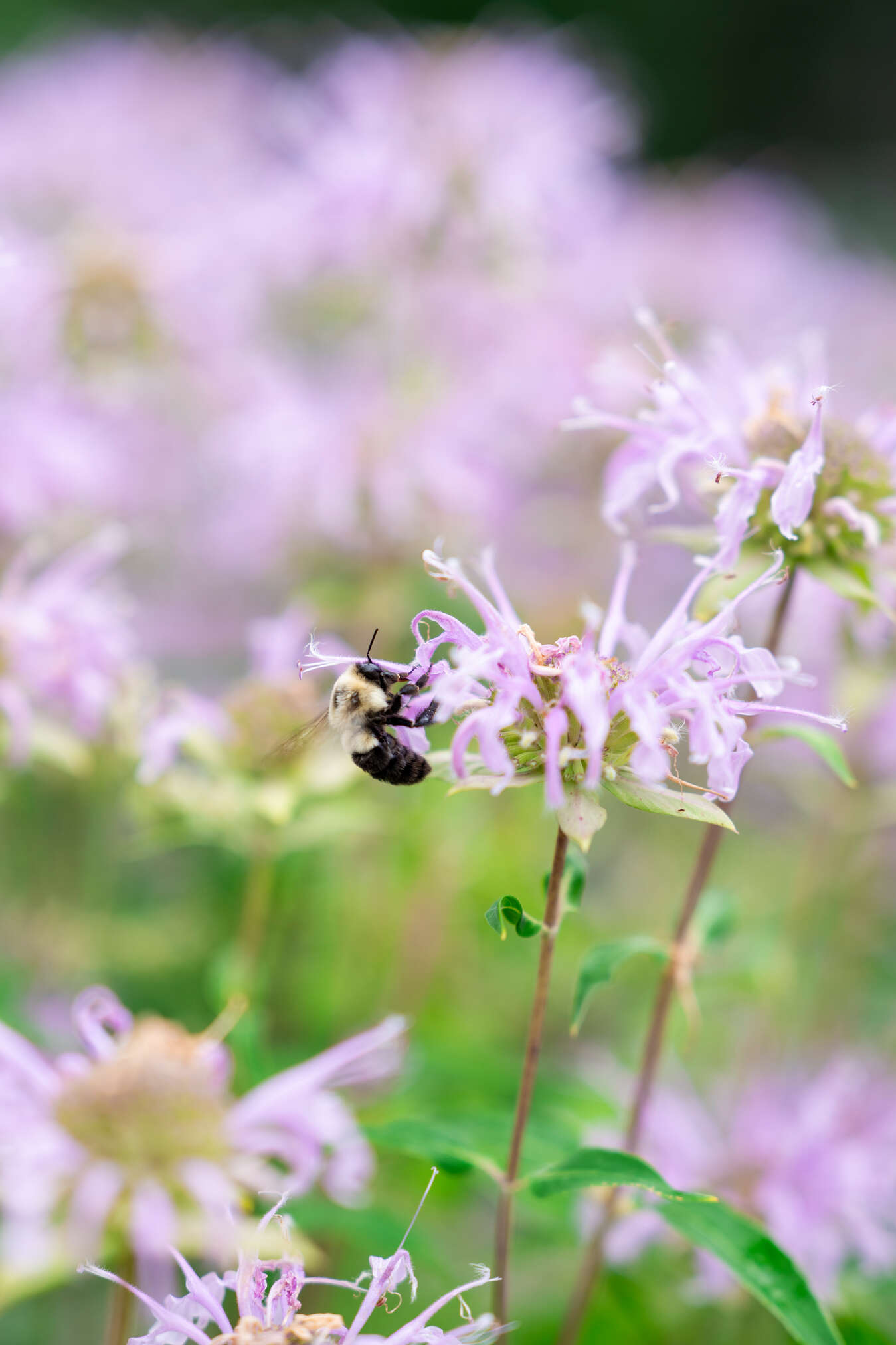
Wild bergamot, Monarda fistulosa, is the gold standard for feeding bees in July. It provides a rich nectar reward for bumbles and other bees for 4-6 weeks each summer. Depending on your site conditions, it will grow to around 4’ tall and will eventually spread out from the mother plant. Prefers full sun but will perform well in part shade.
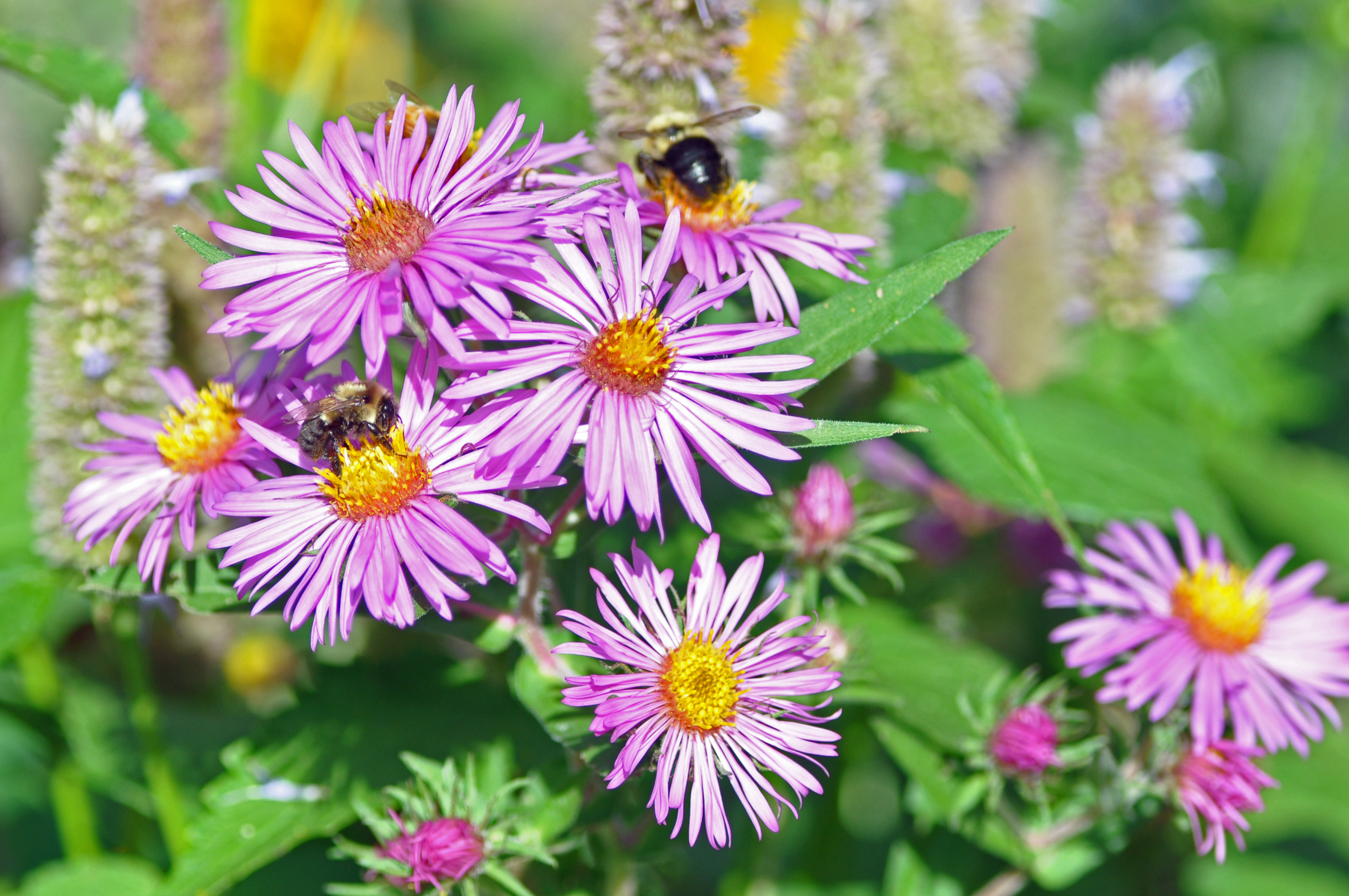
aster flowers in garden

New England Aster

New England aster, Symphyotrichum novae-angliae, provides much needed food for bumbles and other bees in early to late fall when most other plants have finished blooming. This is an especially important food source for new queen bumbles who are fattening up for winter. New England asters are mainly purple but sometimes have pink blooms. They can grow to 5’ tall but you can give them the “Chelsea Chop” in early summer, cutting them back by a third or a half before the flower buds emerge. This results in a shorter, bushier plant but might delay blooming for a few weeks.

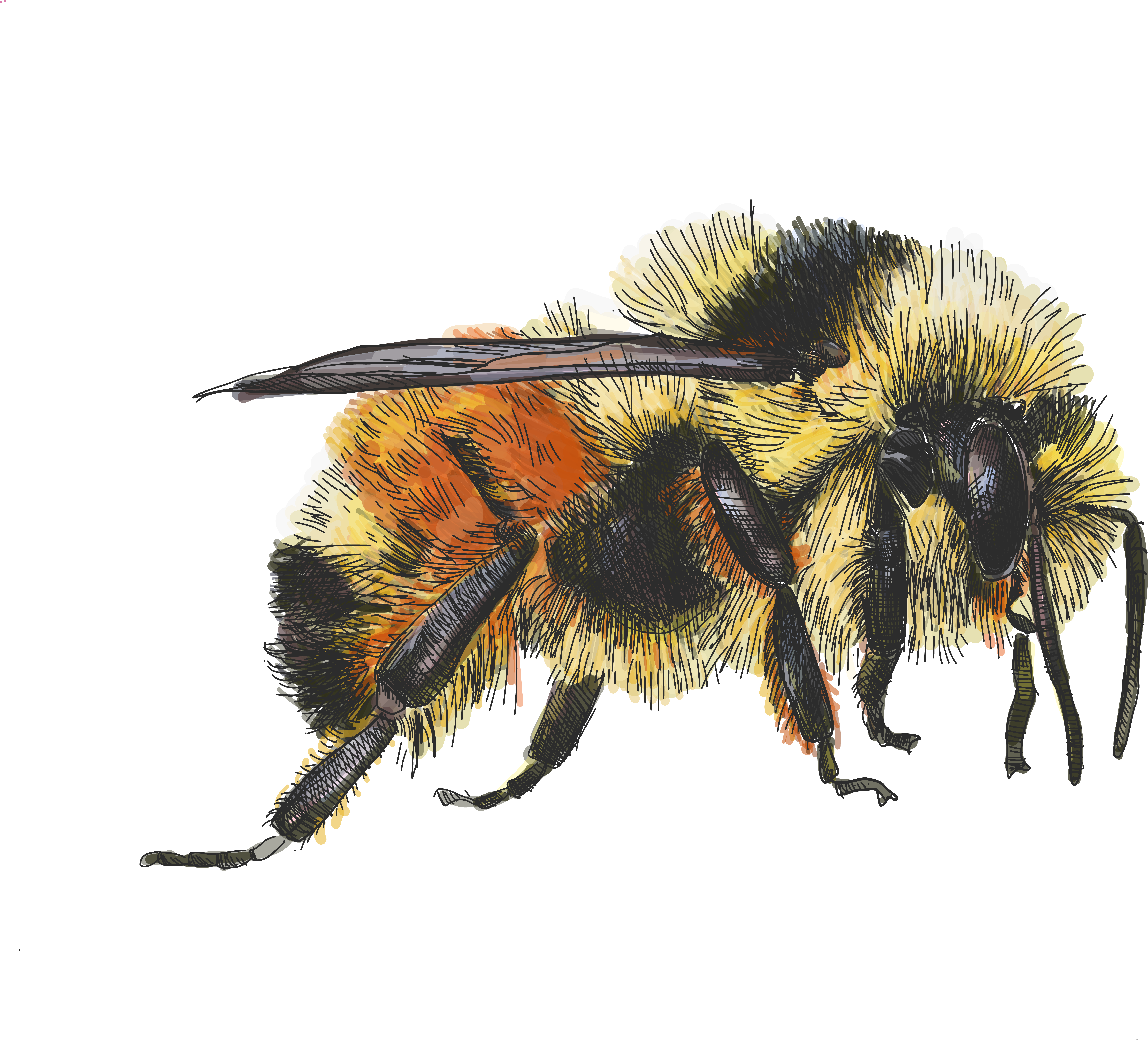
bee on monarda

Other ways to engage with the Pollinator Corridor Project

Upcoming Events

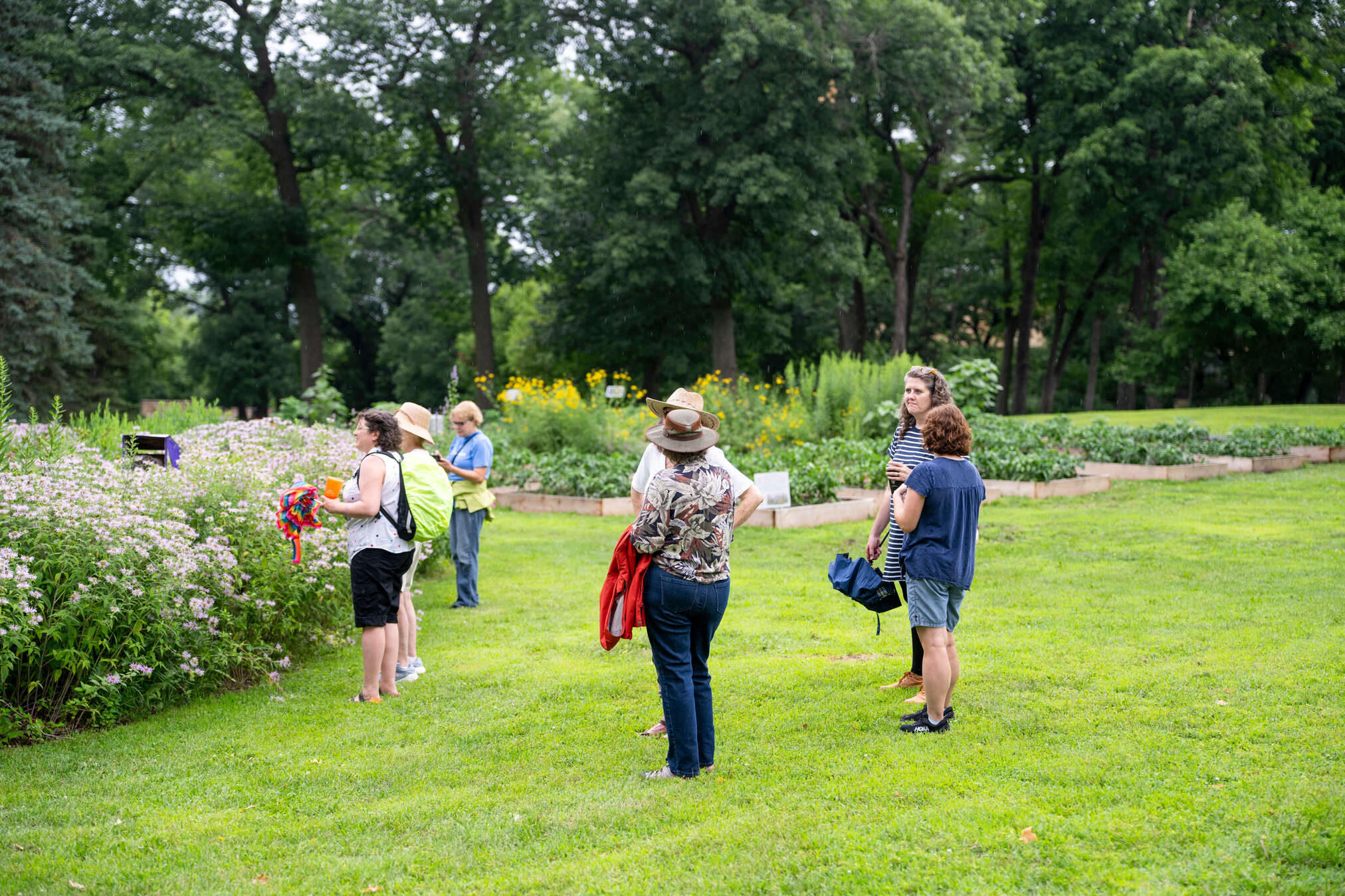
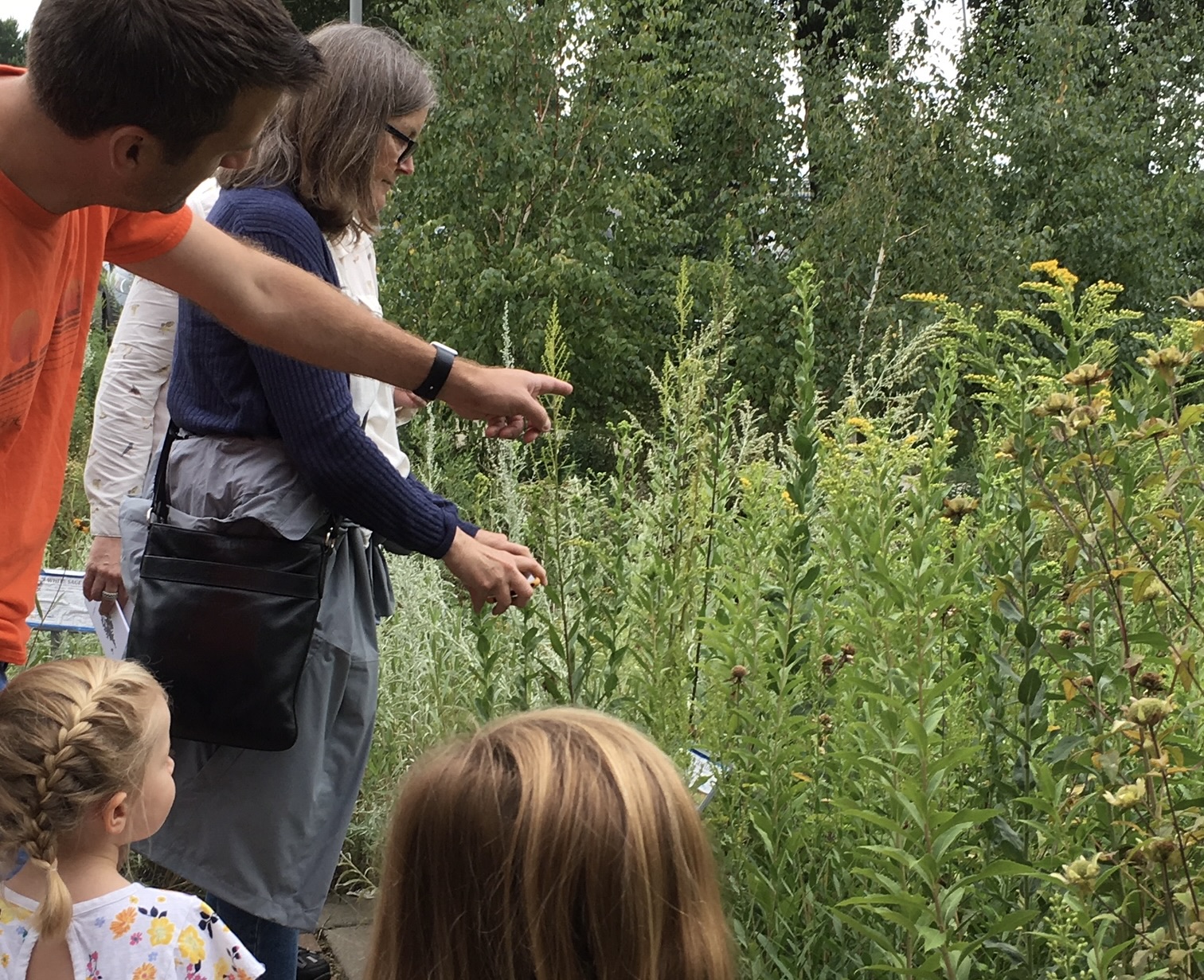
a group of people standing and talking in the pollinator garden

Teas & Bees

Join us for the annual St. Thomas Pollinator Path Teas & Bees!

On Thursday, July 23, stop by the St. Thomas Pollinator Garden anytime between 11:30 am-1:30 pm to enjoy cold brew iced tea, cookies, and see lots of foraging bees on our July gardens! Learn about the launch of the Pollinator Corridor Project, Biology research plots, and play pollinator games! Find us at the Pollinator Garden at the intersection of Goodrich and Woodlawn Ave.

Sponsored by the St. Thomas Biology Department, Office of Sustainability Initiatives, and Department of Community Relations.

Pollinator Path Research

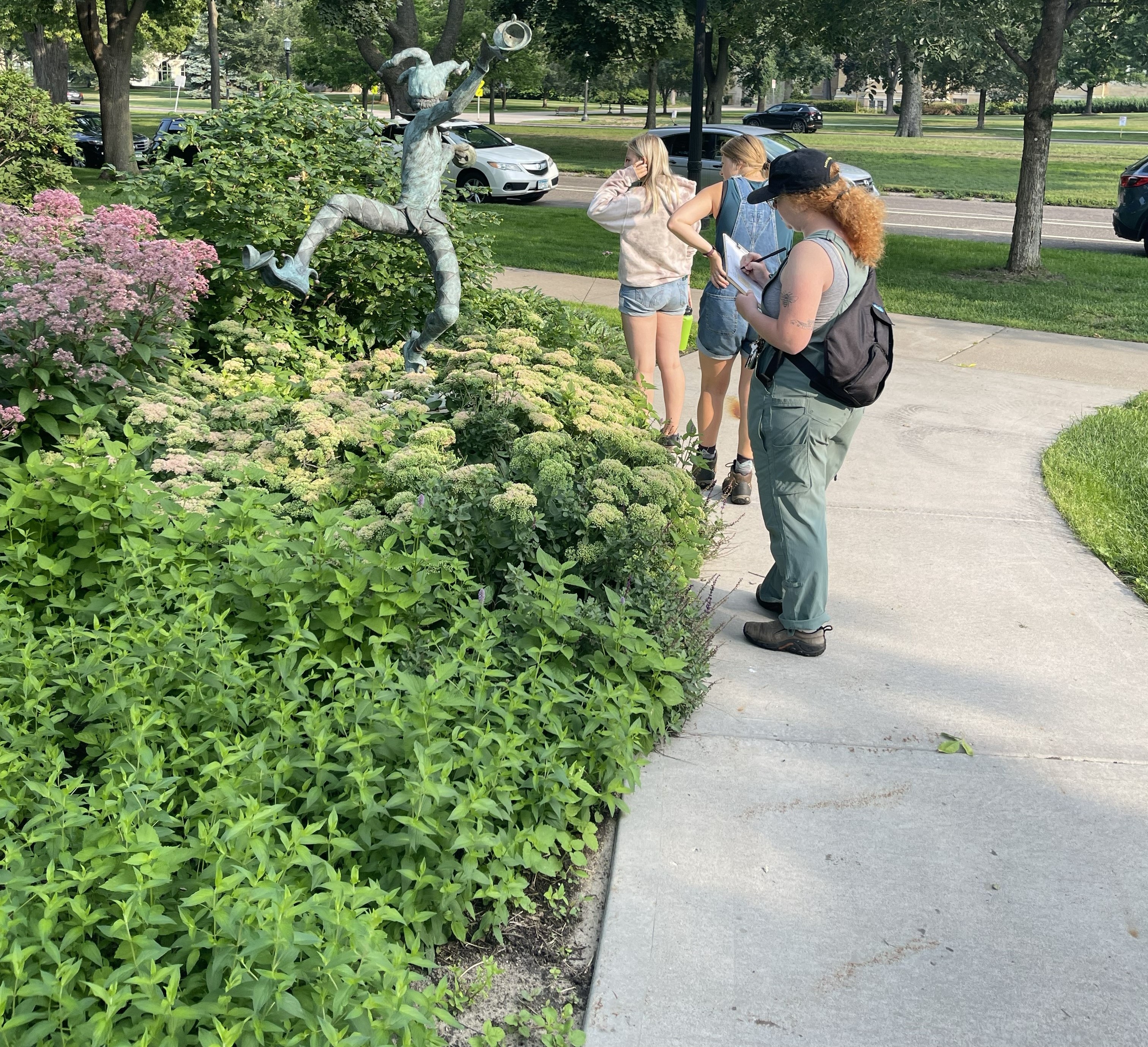
student researchers looking at flowers in the pollinator garden

St. Thomas Pollinator Path

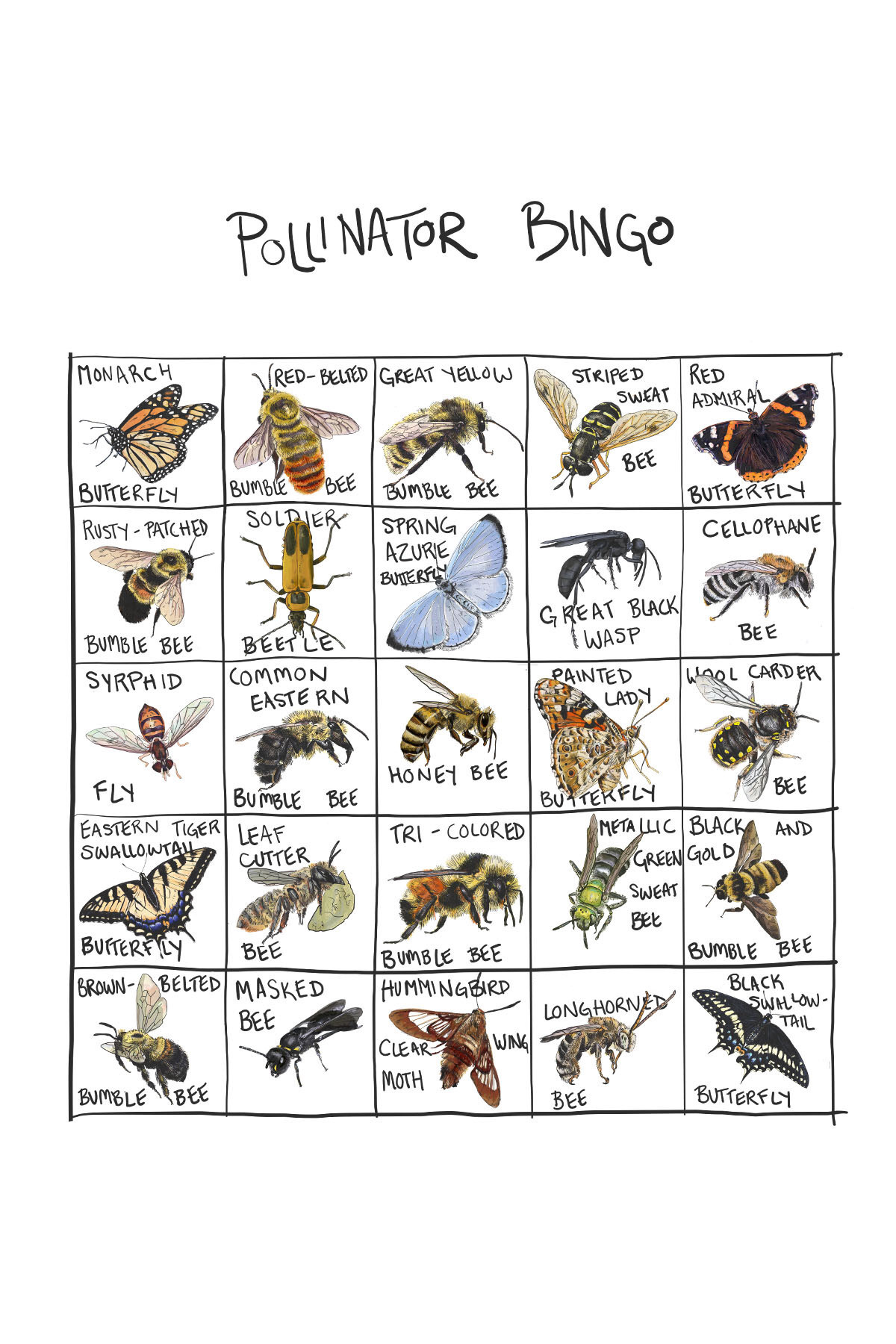
The St. Thomas Pollinator Path, founded in 2016 by the Department of Biology, is a series of garden habitats that provide food for pollinators and opportunities for research, teaching, and outreach for the St. Thomas community. Since its founding, pollinator surveys have been conducted each year to determine pollinator preference, population size, and diversity. Each summer, a crew of student researchers conducts weekly counts after learning to identify all the pollinators and flowers on our Path – a monumental task!

flowers in the pollinator garden

Macalester Pollinator Path

The Macalester Pollinator Path consists of eight sites – seven of which are located in Saint Paul, while the eighth is in Inver Grove Heights at the Ordway Field Station.